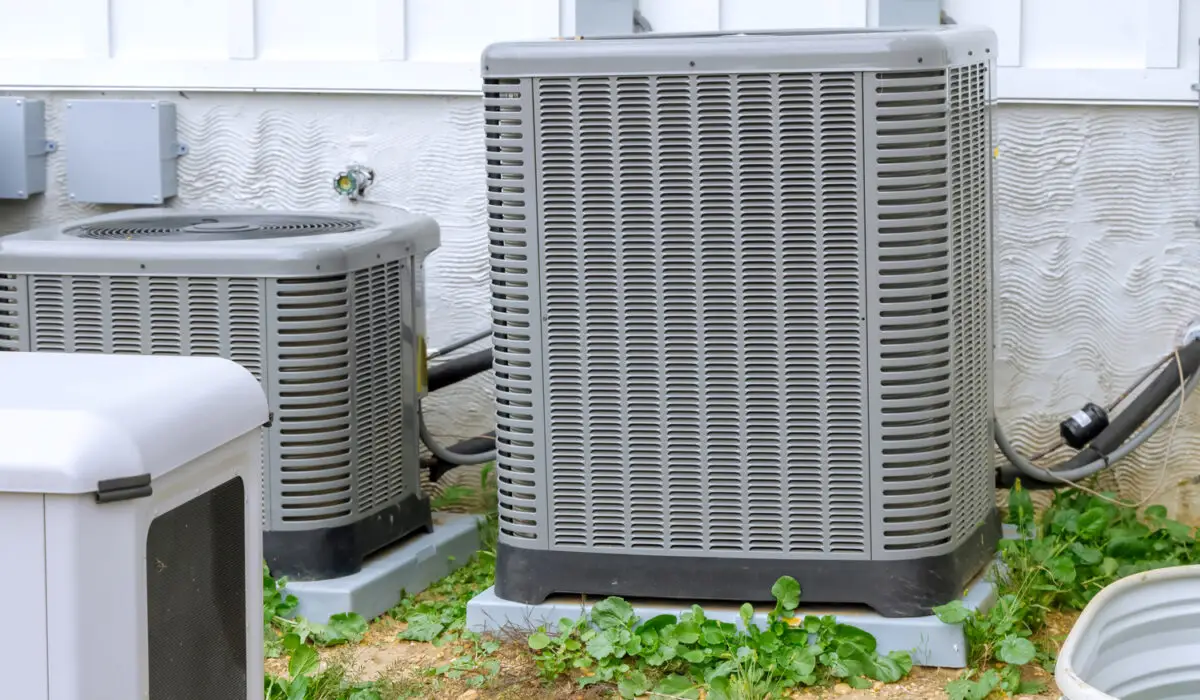
Living near the Gulf is one of the best parts of life in Southwest Florida. But the same salty breeze you love is hard on your air conditioner. Salt in the air settles on the outdoor unit and, combined with heat and humidity, speeds up corrosion of the coil, fins, fan and cabinet. If you live in Naples, Marco Island, Isle of Capri, Port Royal or near Bonita Beach, these tips can help your AC last longer.
Signs Salt Air Is Affecting Your AC
- White, green or crusty buildup on the outdoor coil or copper lines
- Rust on the cabinet, screws or fan guard
- Coil fins that flake or crumble when touched
- Weaker cooling or higher electric bills over time
- Refrigerant leaks in a system that isn’t very old
1. Gently Rinse the Outdoor Unit
Many manufacturers recommend rinsing salt off the outdoor coil in coastal areas. First, turn off power to the unit at the outdoor disconnect or breaker. Then use a regular garden hose with gentle pressure, spraying from the inside out if possible. Never use a pressure washer – it bends the thin fins and can cause damage. Check your owner’s manual for how often your manufacturer recommends rinsing, or ask us.
2. Keep the Area Around the Unit Clear
Trim plants, shrubs and grass so there is good airflow around the outdoor unit – about two feet of space on all sides is a good goal. Avoid storing pool chemicals near the AC; their fumes can also corrode equipment.
3. Schedule Maintenance Twice a Year
Coastal systems benefit from professional maintenance twice a year. A technician can clean the coils properly, check for early corrosion, tighten electrical connections, test refrigerant levels and clear the drain line before small problems become expensive repairs.
Naples Air Pro offers a twice-a-year maintenance plan. We start with one full service visit to make sure your system is in good condition, and then you can join the plan.
4. Think About Placement and Protection
Where the outdoor unit sits makes a difference. A spot that is partly shielded from direct salt spray, such as the side of the house away from the water, can help. On waterfront lots, a raised equipment stand, where local codes allow, can also help protect the unit from high water during storms.
5. Ask About Corrosion-Resistant Options When You Replace
If you are replacing your system, ask about corrosion-resistant features. Some manufacturers offer coated coils or coastal options on certain models. They may cost a little more, but for homes right on the water they can be worth it.
6. After a Storm, Get It Checked Before You Run It
If your outdoor unit or air handler was under water during a storm, do not turn it on. Salt water can damage electrical parts and create a safety hazard. Have a licensed technician inspect it first.
We Know Coastal AC
Naples Air Pro is a small, family-owned company that services and installs air conditioning for coastal homes throughout Marco Island, Isle of Capri, Port Royal, Naples and Bonita Springs.
Call or text 239-631-0925 or book online to schedule a service visit.
